

Sarawak Trade and Tourism Office Singapore
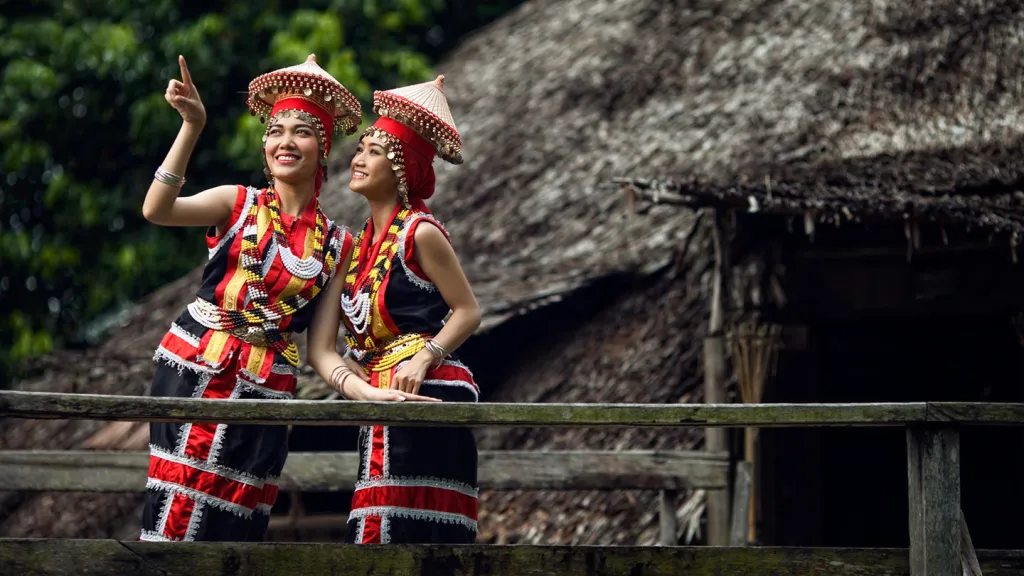
But for the team at the Sarawak Trade and Tourism Office Singapore (STATOS), this vision faced a hurdle: how do you get Singaporeans and expatriates to see Sarawak as more than a distant, unfamiliar wilderness, and to recognise it as a compelling, sustainable experience? How do you tell a story powerful enough to move hearts, plans, and bookings?
As of 2023, about 48,000 Singaporeans visited Sarawak, accounting for roughly 7% of international arrivals – a figure that is growing steadily as post-pandemic travel rebounds.¹³ Yet, while 70% of surveyed Singaporeans associate Sarawak with natural beauty and cultural richness, only one in five have considered it for their next holiday, often citing a lack of awareness or the perception that the state is “too rustic”.¹⁴ Still, there is strong potential: Booking.com’s 2024 report shows 72% of Singaporeans want their travels to benefit local communities and the environment, aligning with Sarawak’s tourism vision. Over 60% plan their trips online, offering STATOS a timely opportunity to engage new audiences through studentdesigned digital tools.
The SMU-X course Corporate Sustainable Product and System Design at SMU’s Lee Kong Chian School of Business brought together 28 students to take on this challenge. Guided by adjunct faculty Wilson Teng, they partnered with STATOS to develop fresh strategies to position Sarawak as a sustainable tourism hub. The mission: inspire, innovate, and make it real.
Established by the Sarawak state government, STATOS was created to strengthen trade, investment, and tourism ties between Sarawak and Singapore. As a bridge to the region, it champions bold ideas that spotlight Sarawak’s potential as a sustainable, worldclass destination.
Move fast, fail fast – that became our team mantra... Each misstep taught us to ask better questions, listen more deeply, and adjust our solutions with empathy.
- Elaine Chia
Chew Chang Guan, CEO of STATOS, was candid about what he hoped for. “We were looking for more than a polished deck. What we hoped for were fresh perspectives, ideas that might never have crossed our minds. And the students delivered.”
Ideas flowed freely. Some were bold, others brilliant, and many sat wonderfully in between. One team proposed a modular itinerarybuilder for schools to customise eco-learning trips. Another suggested enhancing STATOS’s website with a trip planner to help visitors visualise their Sarawak journey before they even fly.
“We were surprised by how practical and ready-for-use many of the deliverables were,” said Putrie Rozana Soraya, Deputy CEO of STATOS. “Some ideas, especially around digital tools and audience segmentation, really aligned with the direction we’re heading.
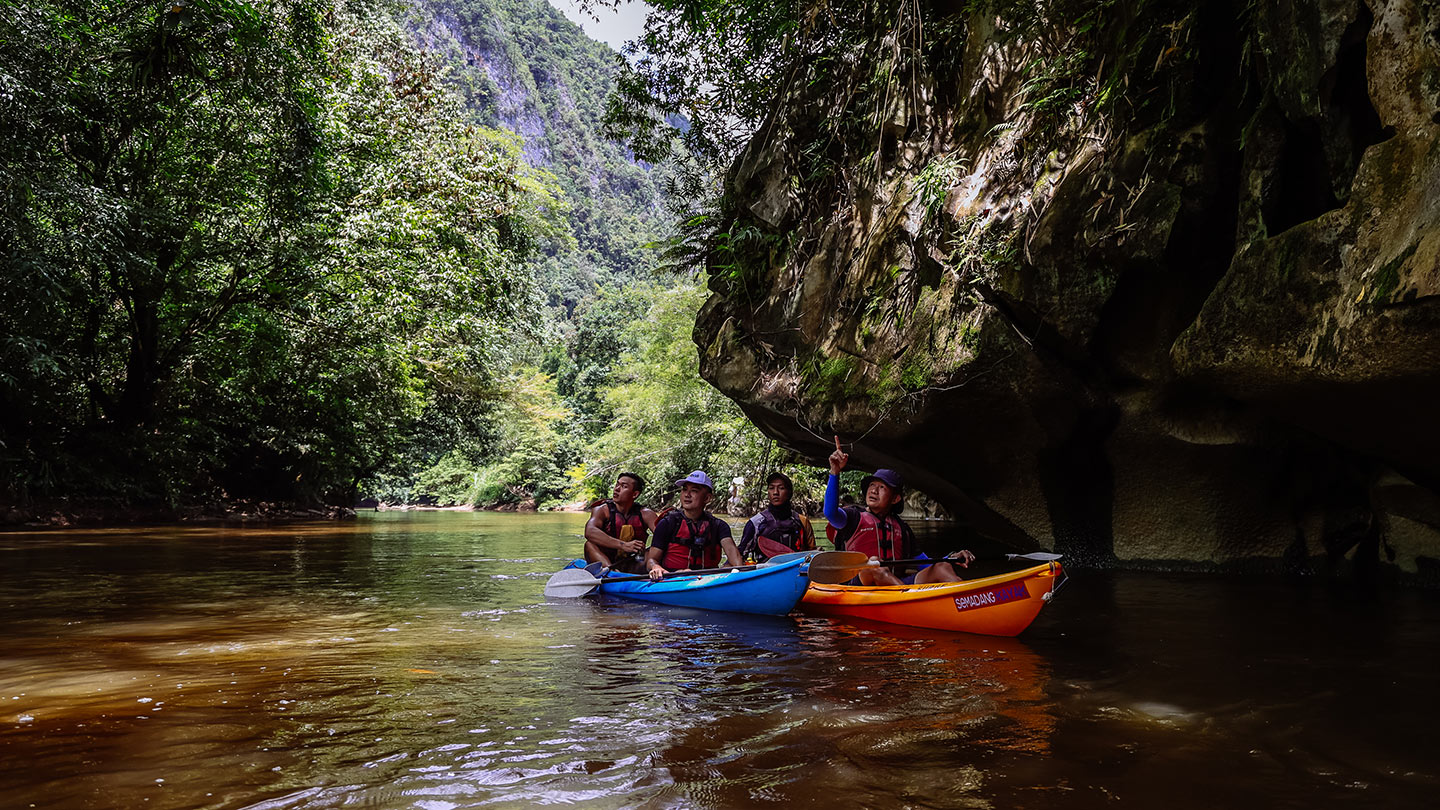
We’ve shared them with stakeholders and are seriously considering them for implementation once our major event this year wraps up.”
While the outcomes are still taking shape, the impression it left was powerful. For Aven Yong, Assistant Manager of STATOS Tourism & Gallery, it was a reminder that inspiration often comes from unexpected places. “Regardless of industry, we all need new ideas to stay relevant,” he said. “The students challenged us to see Sarawak through fresh lenses, as a sustainable, youthful, and immersive experience.”
The students, too, walked away changed. Cedric Tay, who contributed to coding mock-ups for one team’s prototype, said the process bridged the gap between theory and execution. “What I loved about this course is that what you get out of it depends on how much you put in. We had to take ownership and treat it like a real consultancy project with regular feedback and coaching from our instructor.”
His classmate Elaine Chia found herself learning more from failures than successes. “Move fast, fail fast – that became our team mantra,” she laughed. “Each misstep taught us to ask better questions, listen more deeply, and adjust our solutions with empathy.”
“Design Thinking starts with empathy,” said Wilson. “It’s about understanding user needs, co-creating solutions, and refining them through feedback.” The course gave students hands-on skills in sustainable design while offering STATOS valuable ideas to address real business challenges.
"We are also grateful to STATOS for their strong support throughout the project with prizes and opportunities to experience Sarawakian culture & cuisine." remarked Wilson.
For Putrie, the journey was a reminder of the value of engaging youth as co-creators. “SMU students are undoubtedly the future leaders of Singapore,” she said. “Despite the tight timeline and not being able to visit Sarawak, they poured their heart and soul into this project.”
Looking ahead, Chang Guan hopes that future collaborations could include themes like trade and investment. “The SMU-X model works. It gives us a glimpse into what the next generation prioritises. That insight holds great value and remains vital.”
And while the rainforest trails and floating markets of Sarawak remain a short flight away, their spirit lingered in a classroom in Singapore where ideas took root, values were exchanged, and a deeper kind of tourism quietly came to life.
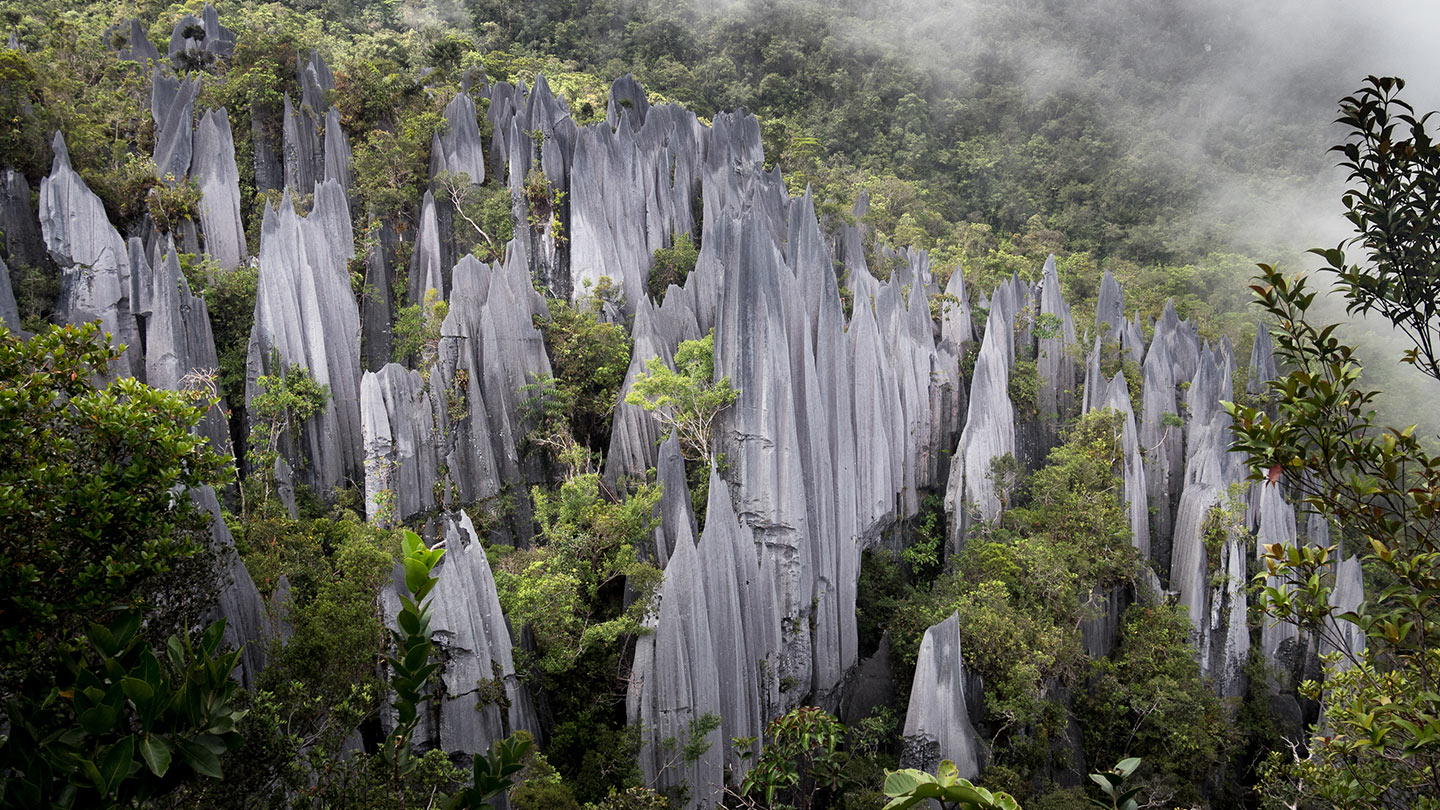
Why It Matters
What happens when a new generation dares to reimagine travel in a world that keeps shifting? Through this SMU-X project, students worked with STATOS to reimagine Sarawak as a hub for sustainable tourism. Their fresh ideas and practical digital tools boosted youth engagement, energised STATOS’s plans, and modelled impactful experiential learning.
- Catalysed innovation in sustainable tourism: Customer-centric digital strategies and itinerary tools are influencing STATOS’s ongoing efforts to reposition Sarawak as a leading eco-friendly destination.
- Expanded youth engagement and co-creation: STATOS gained direct insights into the priorities and aspirations of different segments of travellers, using student teamwork to design stakeholder outreach and future campaigns.
- Bridged theory and industry application: The project let students apply their learning while giving STATOS actionable insights that guided decisions and sparked cross-sector collaboration.
¹³Sarawak Tourism Board. (2024). Visitor Arrivals Statistics
¹⁴The Straits Times. (2023, August 17)