

National Trades Union Congress
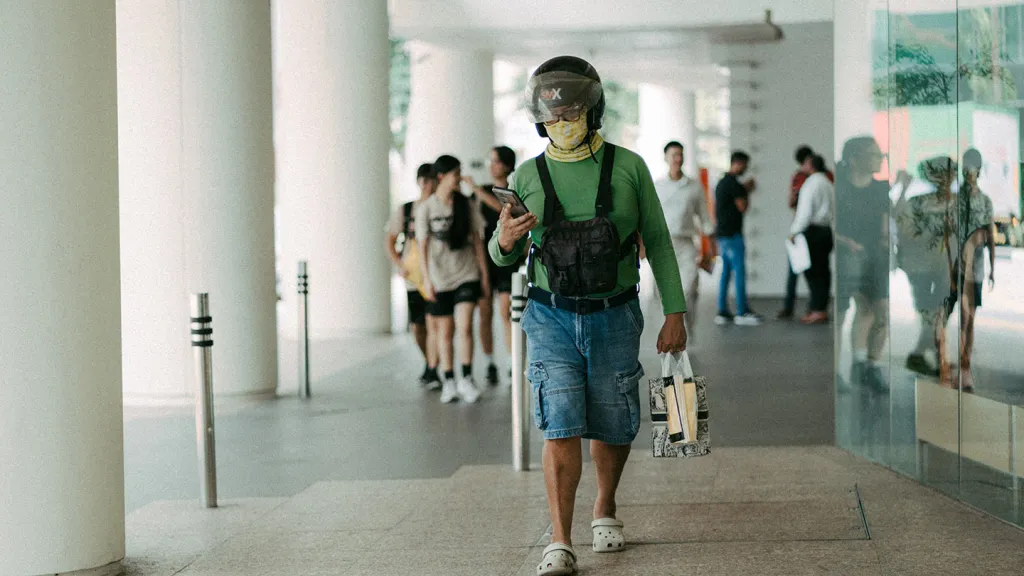
The National Trades Union Congress (NTUC) is Singapore’s national confederation of trade unions and a key pillar of the country’s tripartite model. NTUC leads the labour movement of Singapore, which comprises 58 affiliated unions, seven affiliated associations, a portfolio of businesses and six related organisations, as well as a growing ecosystem of professional associations and enterprise partners. Representing workers across all sectors, NTUC advocates for fair employment practices, lifelong learning, and social protection. It works closely with employers and the government to address emerging workforce challenges, ensuring that no worker is left behind, especially as the nature of work evolves rapidly.
For students in the SMU-X course Family and Society: Economic Theories and Practices, this was more than an academic course. It was an opportunity to understand the evolving world of work through real stories and lived experiences rather than traditional case studies. The course offered students a chance to partner with NTUC to take on real-world challenges and take ownership of their learning. One such project was to study the motivations, challenges, and aspirations of Singapore’s gig workers. As of 2024, there were approximately 67,000 platform workers in Singapore, according to the Ministry of Manpower’s Labour Force Report. This group includes private-hire car drivers, food delivery riders, and freelance couriers. The broader self-employed workforce, which includes all gig and freelance workers, numbers around 228,200, making up about 11% of Singapore’s resident workforce.¹⁰
Guided by SMU School of Economics Associate Professor Ho Kong Weng, and mentored closely by NTUC’s Strategy Team, students stepped into the complexity of labour research. Through interviews, surveys, and fieldwork, they uncovered insights that added depth and dimension to their understanding of gig work – long hours, limited protections, yet high levels of job satisfaction driven by autonomy and flexibility.
Students see the real-world outcomes of their research. They gain a deeper appreciation of how their learning can drive meaningful change.
-Ho Kong Weng
What emerged was a nuanced picture. Gig workers represented diverse backgrounds. Some were in transition. Others sought supplemental income. Many valued autonomy and appreciated having greater control over their schedules. At the same time, they welcomed better access to training, CPF contributions, and more structured support.
The student findings resonated with NTUC. “Some of the insights were interesting,” said Shawn Seah, Deputy Director of NTUC Strategy. “The students tried to challenge assumptions and clarify ground realities.”

In one study, students found that gig workers clocked an average of 59 hours a week, well beyond the national average of 44 hours. Their time commitments made attending training courses more complex, yet they expressed strong interest in financial literacy, job matching, and career development.
Other student teams investigated issues like upward mobility and multigenerational workplaces, highlighting the broader shifts shaping Singapore’s workforce.
For NTUC, the students contributed several valuable insights. Some of the findings informed larger-scale research, such as the “Upward Mobility of Workers: Family and Social Support” featured at NTUC’s Labour Research Conference 2020, and some of the findings from SMU-X report of “The Gig Economy” mirrored ongoing national conversations around the launch of the Platform Workers Act, a legislative step forward in ensuring greater protection and support for gig workers. While students’ research was developed in parallel, the broad alignment between their findings and policy directions reflected its relevance and timeliness of this partnership with NTUC.
Kong Weng, who has worked with NTUC on SMU-X projects since 2019, described the course as a bridge between theory and practice. “Students see the real-world outcomes of their research. They gain a deeper appreciation of how their learning can drive meaningful change.”
Students like Raphael Ang and Immanuel Leong described the experience as transformative. For Raphael, the course sharpened his research skills and highlighted the value of industry–academic collaboration. “This was more than just about grades, it was about contributing to something real,” he shared. He also saw how their research could serve as a foundation for future studies.
Immanuel reflected on how the project changed his approach to problem-solving. “As an introvert, I usually process things internally. This taught me to seek feedback early and appreciate external perspectives,” he remarked. Collaborating with NTUC encouraged the team to move beyond surfacelevel findings, exploring deeper questions and uncovering underlying motivations. “It pushed us to think more critically, and that made our work more grounded and human.”
Why It Matters
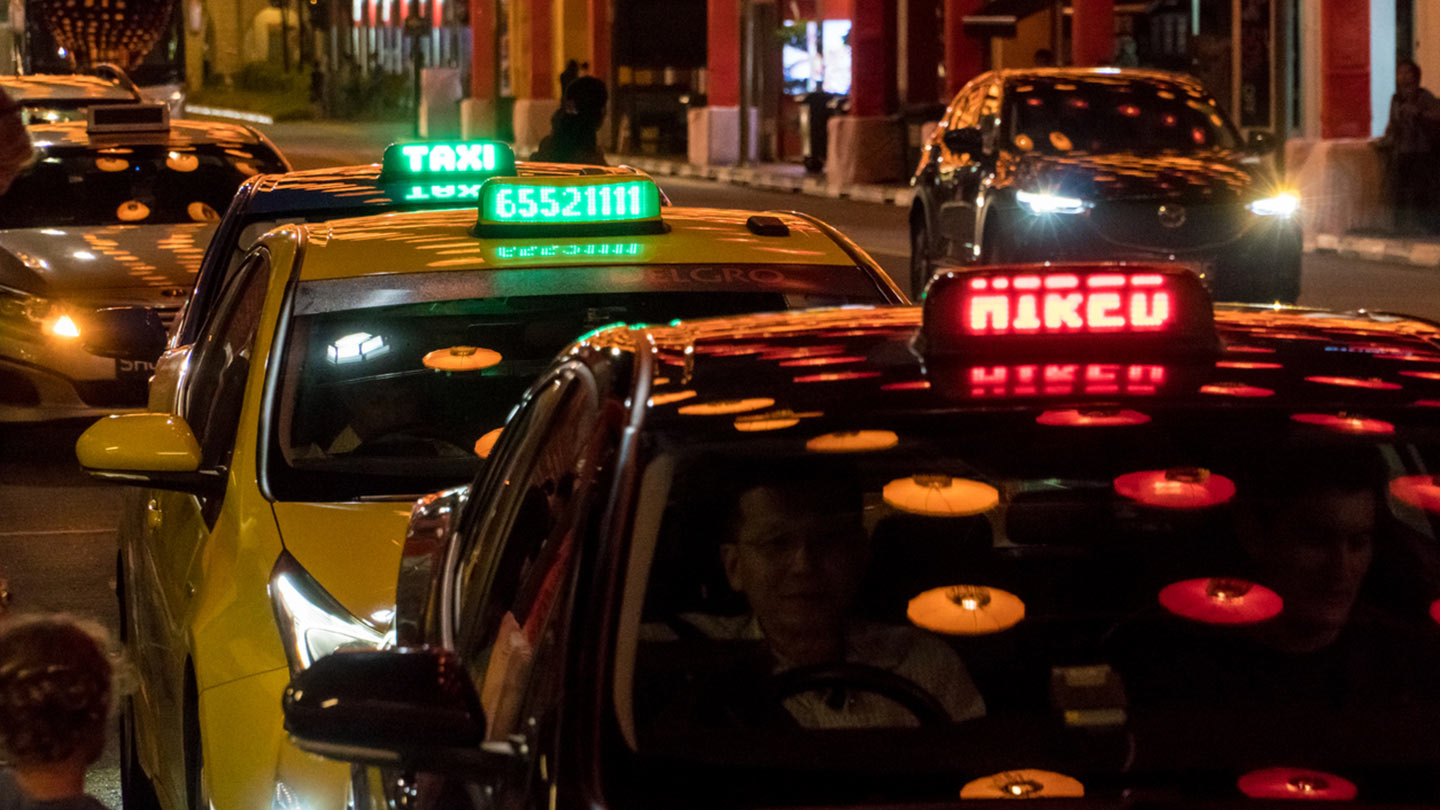
What happens when students engage with the frontline of the future economy? This SMU-X collaboration with NTUC brought students into direct conversation with gig workers, uncovering ground-level insights that challenged assumptions and shaped strategic thinking. Their work provided valuable insights about platform labour for NTUC, while deepening student appreciation for the complex realities of Singapore’s evolving workforce.
- Contributed to NTUC’s ongoing labour research: Student findings provided thought starters for NTUC Strategy’s ongoing labour research.
- Enhanced understanding of worker aspirations: Fieldwork highlighted gig workers’ desire for autonomy, skills development, and greater access to support schemes.
- Developed students’ applied research skills: The project strengthened students’ abilities in analysis, communication, and stakeholder engagement, preparing them for meaningful roles in Singapore’s future workforce.
¹⁰Ministry of Manpower. (2024). Labour force in Singapore 2024. https://www.mom.gov.sg