
National University Hospital
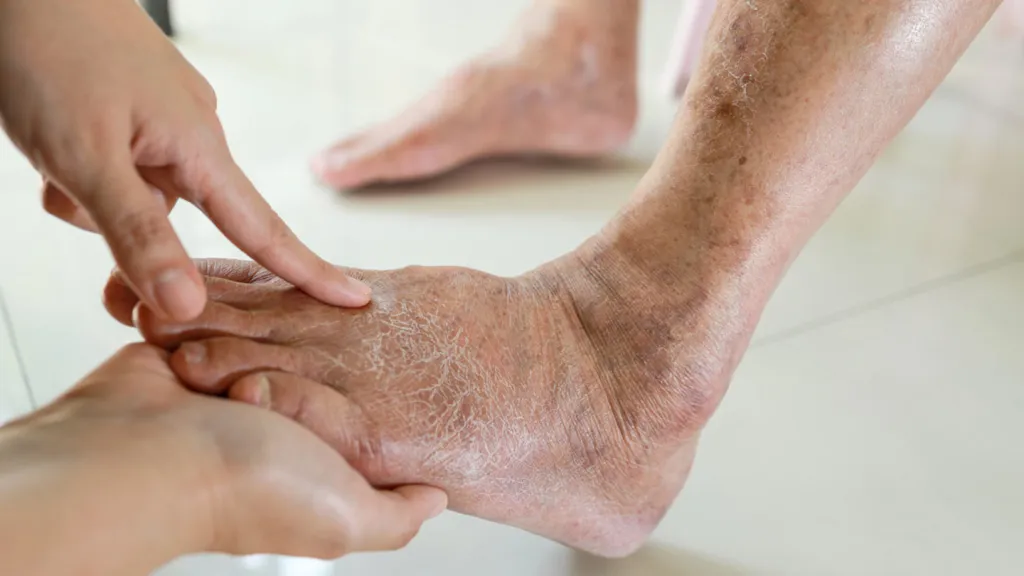
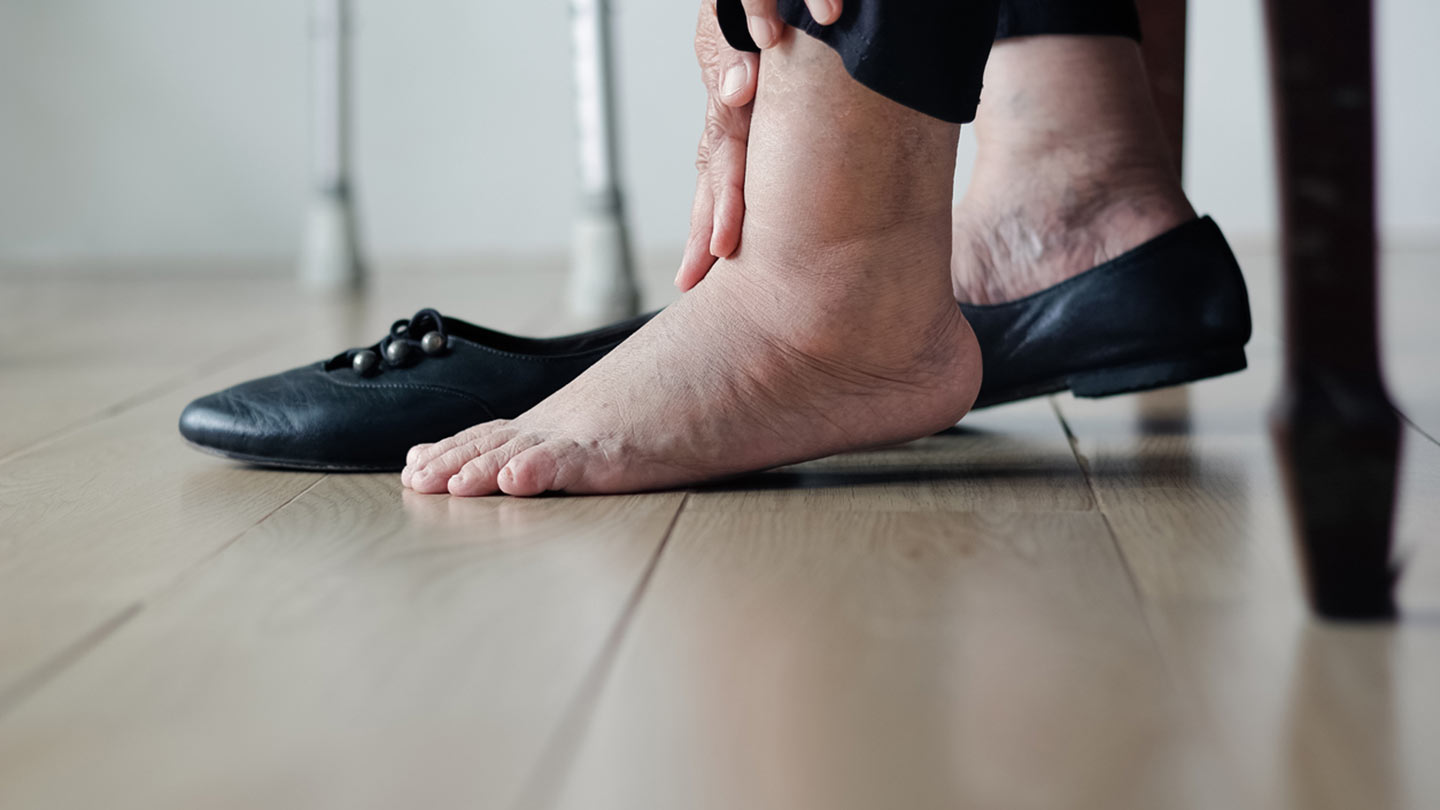
In Singapore, an estimated one in six adults over age 60 lives with diabetes, and over 650,000 residents are projected to have the disease by 2030.¹¹ Diabetic foot complications are one of the leading causes of hospital admissions for people with diabetes, resulting in more than 1,200 lower limb amputations each year. Despite these risks, less than 60% of at-risk patients receive their recommended annual foot screenings, largely due to time and resource constraints in already busy clinics.¹²
The burden on the system was clear, and change was necessary. In this space of urgency, a small group of SMU-X students discovered a spark of innovation.
The National University Hospital (NUH) is Singapore’s leading academic medical centre and the principal teaching hospital of the National University of Singapore (NUS) Yong Loo Lin School of Medicine. As part of the National University Health System, NUH integrates patient care, education, and research to advance health outcomes and train the next generation of healthcare professionals.
Guided by then-Assistant Professor Tan Hwee Xian from the SMU School of Computing and Information Systems and Dr. Chua Horng Ruey from NUH, students from the SMU-X course Smart Healthcare in Asia were tasked with reimagining diabetic foot screening. The challenge? Create a solution that was accurate, accessible, and efficient, while maintaining a clear focus on patient experience.
Their answer: an AI-powered device that used thermal imaging to detect early signs of diabetic foot complications in under ten minutes. The students called it Livebetics.
The breakthrough was in the speed and simplicity: the prototype reduced screening time from 30 minutes to under 10 minutes, a threefold improvement that allowed for quicker detection, and potentially more frequent use in clinics. In its pilot trial, the device captured data from nearly 30 patients, offering valuable insights for future algorithm development and workflow integration.
“This went far beyond a typical class project,” said student Vinnie Chu, one of the students who later developed Livebetics as her Final Year Project. “It was something we could build, test, and watch come to life.” Working alongside Natalie Lim and other team members, Vinnie helped lead the technical development, while Natalie managed project milestones and partner communications.

Instead of working in silos, the team split roles based on individual strengths, including hardware, software, AI, and stakeholder engagement, while staying grounded in a collective mission. “We constantly shared challenges, brainstormed openly, and made decisions as a team,” Vinnie said.
Supported by regular feedback from Dr. Chua and NUH clinicians, the students navigated real constraints, from data limitations to usability issues. “We had to balance technical rigour with practical design. Many diabetic patients are elderly, so usability was just as critical as accuracy,” Natalie added.
The prototype made its way into NUH clinics, capturing real patient foot data for analysis. The response was encouraging. “Patients were curious,” Natalie shared. “They saw the potential of a faster, more convenient way to stay healthy.”
While small in scale, the pilot enabled NUH to estimate recruitment rates and data quality for future studies. These numbers became critical in shaping the funding proposal for a second prototype and larger-scale validation.
This project unfolded at the height of the COVID-19 pandemic, when face-to-face collaboration was not possible. Yet, the student team remained unwavering in their commitment. They met Dr. Chua every week over Zoom to refine their prototype and discuss next steps. Despite the distance, their energy and discipline left a lasting impression. What began as a weekly checkin soon became something Dr. Chua looked forward to. “They were clear about their goals, worked proactively, and organised themselves better than some professionals I’ve seen,” he reflected. “It changed how I view working with undergraduates.”
The journey came with its share of challenges. Funding constraints during the COVID-19 pandemic led to a temporary pause in the project. Still, Dr. Chua remained determined.
Building on the foundation laid by the students, he secured renewed support through Singapore Biodesign and a commercial partner specialising in thermal imaging.
Today, the evolved prototype, industrial-grade and refined, is undergoing trials at NUH and Jurong Polyclinic, with ambitions to scale across Singapore and beyond. The goal: enable more frequent, less labour-intensive screenings at community clinics, reducing the risk of complications before they start. “It bought us time, collaboration, and a functional prototype that gave funders the confidence to support the next phase,” said Dr. Chua. “That first version, built with students, was the springboard.”
Why It Matters
What happens when undergraduates co-create with clinicians to tackle urgent healthcare needs? This SMU-X collaboration empowered students to build an AI-powered diabetic foot screening device that cut screening time by two-thirds and set new benchmarks for student-led innovation in healthcare. The partnership sparked a journey from classroom concept to clinical trials, strengthening the case for scalable, patient-centred solutions across Singapore’s health system.
- Pioneered rapid, accessible diabetic foot screening: Student-developed prototype reduced screening duration from 30 minutes to under 10, enabling more frequent and efficient patient care.
- Catalysed further innovation and funding: Early results supported NUH in securing grants and commercial partnerships, advancing the project into Phase 2 clinical trials at multiple sites.
- Elevated undergraduate impact in medical innovation: The project demonstrated the real-world value of student teams in healthcare R&D, inspiring continued collaboration between academia and industry for public good.
¹¹Ministry of Health Singapore. (2023). War on Diabetes.
¹²Singapore Diabetes Society. (2022). Annual Report.