

Far East Flora Market
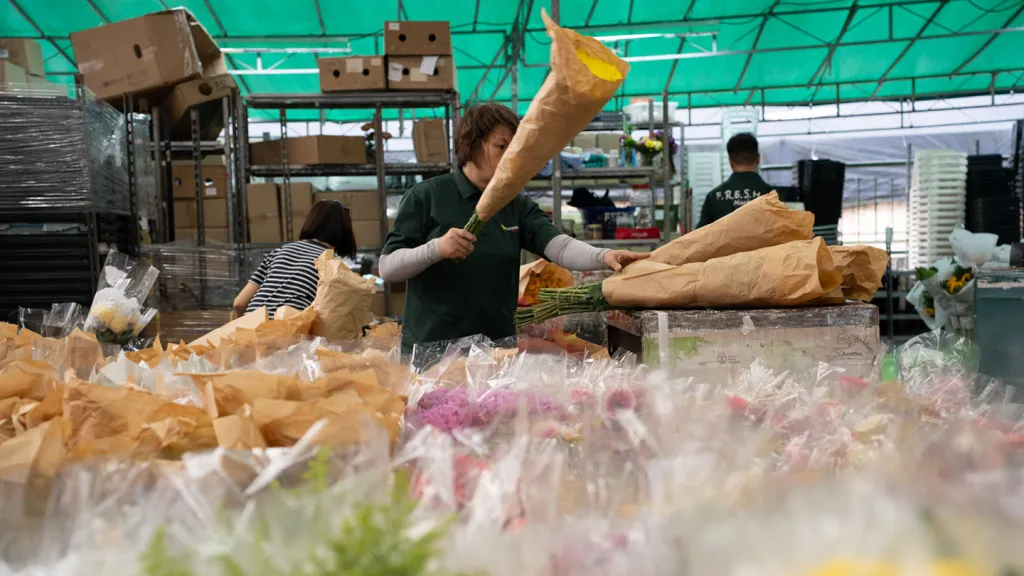
For Shayner Chioh, third-generation owner of Far East Flora Market, the SMU-X projects offered more than just support. “We don’t have the budgets for top consultants,” she shared. “SMU-X students gave us fresh insights, solid analysis, and full commitment.”
The timing could not have been more significant. Singapore’s floriculture market has been blooming steadily, reaching close to USD 30 million in 2024, with projected growth to USD 41.9 million by 2029 at a compound annual growth rate of 7%.⁶ By 2025, the figure is expected to surpass USD 32 million, rising to nearly USD 45 million by 2030.⁷ As home gardening and sustainable floristry grow in popularity, the floral industry is evolving. For family-run businesses like Far East Flora Market, thriving
in this shift requires more than intuition. It calls for insight, structure, and adaptability.
Founded in 1965, Far East Flora Market is a homegrown horticultural company with deep roots in Singapore’s landscape.
Today, it sources blooms and greenery from around the world, operating garden centres, an online florist, and wholesale businesses that serve both business-to-consumer and business-to-business customers.
The collaboration began through the SMU-X course Accounting Analytics Capstone offered by the SMU School of Accountancy. Designed to equip students for the demands of a datadriven workplace, the course challenges them to transform real-world datasets into meaningful business insights. Guided by Senior Lecturer Benjamin Lee, students tackle real business challenges with industry partners. “This is more than theory,” he said. “The data is complex, the problems are real, and the impact is felt on both sides.”
At Far East Flora Market, this partnership blossomed over three distinct projects, each deepening the company’s journey of digital transformation.
They were never just interns or observers... They felt like part of our team, part of our change journey.
⎯ Shayner Chioh
The first project tackled delivery forecasting, shifting the business from reactive to proactive planning. Drawing from historical peak periods and transactional data in Far East Flora Market’s Enterprise Resource Planning system, the students developed predictive models that revealed demand cycles and strengthened operational decision-making. “Before this, we relied on gut feel,” Shayner reflected. “Now I walk into vendor meetings with real numbers. It gives me confidence and peace of mind.”
The second project mapped core operations across departments, from procurement to fulfilment. Students shadowed frontline staff and documented workflows that had only existed in practice. “This was something we always hoped to do but never had the time,” Shayner said. “The students brought structure and clarity. They helped us see what we had overlooked.”
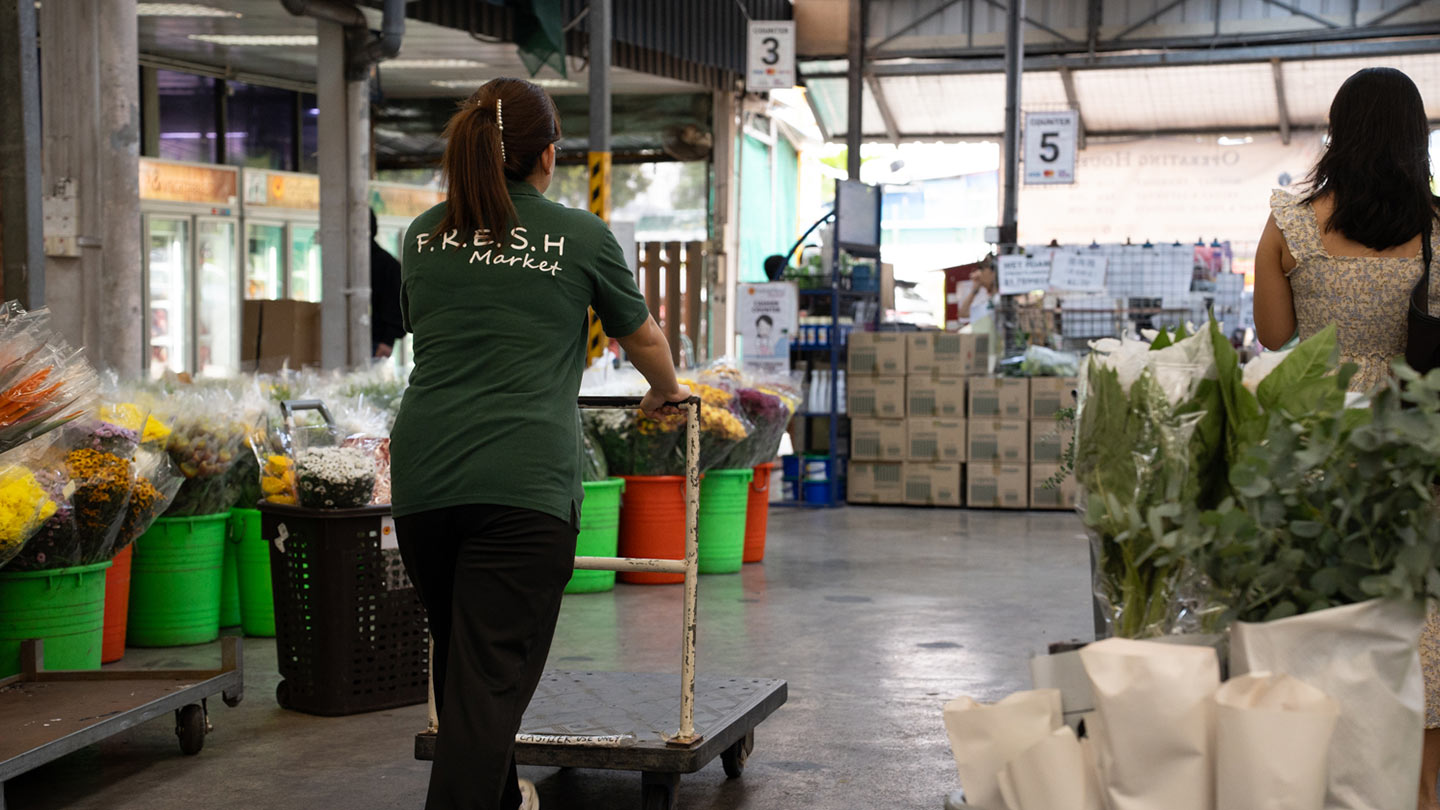
The third project revealed new insights from sales and customer data. Students Amber Lee, Leow Jing Yi and team created dashboards showing purchase trends, revenue drivers, and inactive B2B clients. “We started noticing patterns we had missed, like top customers going silent,” said Shayner. “It changed how we reach out.”
Amber shared that the challenge was making complex data useful. “Shayner’s feedback helped us shift from technical depth to clear, visual insights the team could use,” she said. Jing Yi added, “It felt real when Shayner asked about a trend and we could respond instantly. That moment showed the impact.”
Through each project, students stepped into the role of enablers, using curiosity and care to co-create solutions that mattered. “They were never just interns or observers,” Shayner said. “They felt like part of our team, part of our change journey.”
Behind the scenes, Benjamin saw his students grow in confidence as they tackled real data, asked sharp questions, and turned information into insights that mattered. Having led many SMU-X projects, he found this one especially meaningful. “There was strong energy and mutual respect from the start,” he shared. “Shayner’s openness encouraged the students to go deeper and think bigger.”
He also noted how the students grew through the process. “At first, they explored the data with caution. Over time, they developed clarity in their thinking, learned how to present information that business users can understand, and embraced the challenge of refining their work through feedback.”
This project also offered Benjamin fresh perspectives. “I saw how powerful it can be when students are invited into a company’s world and trusted to contribute,” he shared. “That sense of responsibility shifts the way they approach their learning. They give more because they feel the partnership matters.”
For Shayner, the faculty’s presence made a real difference. “Benjamin and his team never gave the students ready-made answers,” she recalled. “They guided with questions and helped the students discover things on their own. That made the insights stronger and the experience more memorable.”
The classroom extended far beyond campus. “When the entire class came to our store, it changed something in our team,” Shayner reflected. “Colleagues who had been with us for over twenty years felt seen and heard in a new way. The students brought fresh perspectives and sparked new conversations.”
The project has sparked interest in future collaborations at Far East Flora’s overseas offices. For Benjamin, the true impact lay in the experience: “When students tackle real challenges and build meaningful relationships, learning becomes lasting and purposeful. That’s what SMU-X aims to achieve.”

Why It Matters
What happens when students help shape a company’s growth? In this SMU-X project, students used data to solve real business problems, turning spreadsheets into strategy. Their insights improved operations and delivered value, making the experience impactful for both the company and themselves.
- Data guided decisions: Students turned raw data into planning tools, customer insights, and operational improvements. Their models and dashboards supported clearer conversations and better decisions.
- Growth through collaboration: The project helped students apply their skills with empathy, creating solutions that met real business needs. In turn, the company gained clarity and fresh insights.
- Connection created momentum: The collaboration fostered trust and shared purpose. Employees felt seen, students felt empowered, and everyone grew through the experience.
⁶Mordor Intelligence. (2024, February).
Singapore Floriculture – Market Share Analysis, Industry Trends & Statistics, Growth Forecasts 2019–2029. Retrieved from Mordor Intelligence
⁷Mordor Intelligence. (2024, September 26).
Singapore Floriculture Market Size & Share Analysis – Growth Trends & Forecasts 2025–2030. Retrieved from Mordor Intelligence